Please ensure Javascript is enabled for purposes of website accessibility

Dental Implants vs Bridges: Which Is Right for You?

Rhinoplasty

Dental Implants Bridge: Your Complete Guide to Replacing Missing Teeth

If you’re exploring options for replacing missing teeth in Reno, NV, understanding the difference between a dental implant bridge and other tooth replacement solutions is an important first step. Tooth loss affects far more than your smile; it can impact your ability to chew comfortably, alter your facial structure over time, and affect the health of your remaining teeth. This guide covers everything you need to know about dental implants, traditional dental bridge options, and implant-supported bridges, including how each works, what the process involves, and how to decide which approach fits your individual needs. Whether you’re dealing with a single missing tooth or several, having complete information helps you move forward with confidence. If you’d like to discuss your options with an experienced dentist, contact South Meadows Dental at (775) 852-8181.

Understanding Dental Bridge Options for Missing Teeth

A dental bridge is a fixed restoration designed to span the gap left by one or more missing teeth. The artificial teeth within the bridge, known as pontics, are anchored in place using the teeth or implants on either side of the gap. There are several types of bridges, each suited to different clinical situations.

Traditional Bridges

Traditional bridges are among the most commonly placed restorations for replacing missing teeth. They rely on the adjacent teeth on either side of the gap, called abutment teeth, to support the pontic. The dentist prepares these abutment teeth by removing a portion of the enamel, then secures the final bridge using dental cement. Traditional bridges offer a reliable, cost-effective solution for many patients, and they can typically be completed in two visits.

Cantilever Bridges

Cantilever bridges are anchored to only one neighboring tooth rather than to teeth on both sides. They are generally reserved for areas with lower biting force, such as the front of the mouth. Because of their design, cantilever bridges place more stress on the single abutment tooth, which is an important factor your dentist will evaluate before recommending this approach.

Maryland Bridges

Maryland bridges use a metal or porcelain framework bonded to the backs of the adjacent teeth rather than requiring full crown preparation. Because of their less invasive nature, Maryland bridges preserve more of the existing teeth. However, they may not provide the same long-term durability as other bridge types, and their use is typically limited to specific clinical situations.

How Dental Implants Work as an Artificial Tooth Root

Dental implants represent a fundamentally different approach to replacing missing teeth. Rather than relying on surrounding teeth for support, an implant functions as an artificial tooth root placed directly into the jawbone. Understanding how implants work helps clarify why many patients and dentists consider them a strong, long-term solution.

The process begins with placing a titanium post into the jaw. Over the following weeks, the bone grows around and integrates with the post through a process called osseointegration. This biological bond is what gives implants their stability and strength. Once the healing period is complete and osseointegration is confirmed, a crown or bridge is attached to the implant, restoring both function and appearance.

Because implants are anchored in the jawbone, they stimulate bone growth in a way that natural teeth do. This is significant for long-term oral health. When a tooth is lost and not replaced with an implant, the jawbone in that area can gradually deteriorate, a process known as bone loss. Preventing bone loss through implant placement supports jawbone health and helps maintain your facial structure over time.

Not every patient is immediately eligible for implants. Sufficient bone density in the jaw is required to support a titanium post. For patients with existing bone loss, a bone graft procedure may be recommended to rebuild adequate bone volume before implant placement. Your dentist will evaluate your existing bone structure and overall oral health during a thorough consultation.

Implant-Supported Bridges: Combining Both Approaches

Implant-supported bridges offer an approach that combines the structural benefits of dental implants with the spanning capability of a bridge. Instead of relying on abutment teeth for support, implant-supported bridges are anchored by two or more implants placed on either side of the gap. The bridge itself, including the artificial teeth in the middle, attaches securely to these implants.

This approach is particularly well-suited for patients with multiple consecutive missing teeth. Implant-supported bridges eliminate the need to alter healthy teeth on either side of the gap, which is one of the key distinctions from traditional bridges. Because the implants are embedded in the jawbone, implant-supported bridges also contribute to preserving jawbone health in the area of tooth loss.

The implant-supported approach requires adequate bone density and a healing period between implant placement and final bridge delivery. A lab technician crafts the final bridge to match the shape, size, and color of your natural teeth, creating a natural look that blends with your smile. Many patients find that this aesthetically pleasing solution closely mirrors the appearance and function of real teeth.

The overall implant process for an implant-supported bridge is longer than traditional bridge placement, but the long-term investment often reflects the extended durability and oral health benefits implants provide.

Comparing Implant-Supported Bridges to Traditional Dental Bridges

Choosing between an implant-supported bridge and a conventional dental bridge involves weighing several factors specific to your oral health, anatomy, and goals. Neither approach is universally superior; the right choice depends on your individual clinical picture and personal preferences.

Impact on Adjacent Teeth

Traditional bridges require preparation of the abutment teeth, which means healthy teeth on either side of the gap are permanently altered. For patients with otherwise healthy teeth, this is worth careful consideration. Implant-supported bridges do not require modification of the neighboring teeth, leaving those healthy teeth intact.

Bone Preservation

Unlike implants, traditional bridges do not stimulate the jawbone beneath the pontic. Over time, bone loss can occur in the area where the missing tooth root once was. Dental implants actively support bone density by mimicking the stimulation that natural teeth provide through chewing function. For patients focused on long-term jawbone health, this distinction matters.

Longevity and Maintenance

Permanent bridges supported by implants can offer extended durability when maintained properly. Traditional bridges are also durable, but they may need replacement over time, and the abutment teeth can be vulnerable to decay beneath the dental cement. Bridges offer reliable function with proper care, including flossing daily around and beneath the bridge using specialized floss or interdental tools.

Treatment Timeline and Cost

Traditional bridge placement is generally faster, often requiring only two visits. The implant-supported route involves a longer timeline due to osseointegration and the healing period. From a cost perspective, a dental bridge can represent a more cost-effective solution in the short term. Implants are a larger long-term investment, but their durability and bone-preserving benefits may reduce the need for future interventions.

What to Expect During the Bridge or Implant Process

Understanding the treatment timeline helps set realistic expectations and supports confident decision-making.

For a traditional dental bridge, the dentist begins by preparing the abutment teeth using local anesthesia to enhance comfort during the procedure. Impressions or digital scans are taken and sent to a dental lab, where a lab technician crafts the final bridge. A temporary bridge protects the prepared teeth while the permanent restoration is being made. At the second visit, the dentist removes the temporary bridge and secures the final bridge in place.

For implant-supported bridges, the process begins with a comprehensive evaluation, including imaging to assess bone density and jaw anatomy. Implant placement is performed under local anesthesia. The osseointegration period typically spans several months, during which a temporary bridge may be worn. Once integration is confirmed, the final bridge is fabricated and attached to the implants. Proper care after placement is essential for long-term success, and your dentist will guide you through maintenance best practices.

Patients seeking a smile makeover that addresses multiple areas of concern may benefit from discussing how bridge or implant treatment fits within a broader cosmetic dentistry plan during their consultation.

Why Choose South Meadows Dental in Reno, NV?

South Meadows Dental has served the Reno community since 1975, when Dr. Norman Beesley founded the practice with a commitment to relationship-centered care. That legacy continues today under Dr. Brian Struby, DDS, who joined the practice in 2006 following dental education at Creighton University, where he earned the Academy of General Dentistry Dental Student of the Year Award. Dr. Struby is a member of the Frank Spear Faculty Club, reflecting his ongoing dedication to advanced continuing education. The practice is affiliated with the American Dental Association, the Nevada Dental Association, and the Northern Nevada Dental Society.

Patients in south Reno, Sparks, and the broader Northern Nevada region benefit from a practice that combines multi-generational community trust with modern dental technology. In-house CAD/CAM milling enables same-appointment crowns and restorations for qualifying cases, offering meaningful convenience for busy patients. When it comes to replacing missing teeth through dental implants or bridge placement, the depth of experience and individualized care at South Meadows Dental support well-informed, patient-centered decisions. We welcome patients from across the Reno area and are happy to discuss your oral health goals in a comfortable, unhurried environment.

Ready to explore your options? Dr. Brian Struby, DDS, and the South Meadows Dental team are here to help. Contact us online or call (775) 852-8181 to schedule a personalized consultation.

Frequently Asked Questions About Dental Bridges and Implants

Can I get a dental bridge if I have multiple missing teeth in a row?

In many cases, yes. The number of consecutive missing teeth, the health of the surrounding teeth, and your overall bone structure all influence whether a traditional bridge or an implant-supported bridge is the more appropriate option. Your dentist will evaluate these factors and discuss which approach aligns best with your clinical needs and goals.

How do I know if I have sufficient bone density for dental implants?

Bone density is assessed through dental imaging, typically a cone beam CT scan, during your consultation. If your bone has diminished due to prior tooth loss, a bone graft may be recommended to establish the bone volume needed to support a titanium post. Your dentist will walk through imaging findings and explain what they mean for your candidacy.

Will my bridge or implants look like my natural teeth?

Both traditional bridges and implant-supported bridges are designed to closely match the color, shape, and size of your natural teeth. A skilled lab technician works from detailed impressions or scans to craft a restoration with a natural look. Individual results vary, and your dentist can show you what to expect based on your specific case.

What happens to the jawbone under a traditional bridge over time?

When a tooth root is absent, the jawbone in that area no longer receives the stimulation it needs to maintain density. Over time, this can lead to gradual bone loss beneath the pontic of a traditional bridge. Implants help address this by acting as an artificial tooth root that stimulates the jaw during chewing function, supporting long-term jawbone health.

How long do permanent bridges typically last?

With proper care, permanent bridges, both traditional and implant-supported, can last many years. Traditional bridges may require eventual replacement, and their longevity depends significantly on oral hygiene, bite forces, and the health of the abutment teeth. Implant-supported restorations tend to have strong long-term durability when maintained well. Your dentist can provide more specific guidance based on your situation.

What does the cost difference between bridges and implants generally look like?

A traditional dental bridge is generally a more cost-effective solution upfront compared to implants, which involve a longer process and more components. However, implants may reduce the likelihood of future procedures related to bone loss or abutment tooth complications. Costs vary based on several factors, including the number of teeth involved, bone conditions, and the complexity of your case. We encourage you to schedule a consultation so we can provide a thorough evaluation and transparent discussion of your options.

Is there a temporary option while I wait for my final restoration?

Yes. For both traditional bridge and implant-supported bridge treatment, a temporary bridge is typically placed to protect the area and maintain appearance and function while the final restoration is being crafted or while implants undergo the healing period. Your dentist will ensure you are comfortable throughout the process.

Take the Next Step Toward Replacing Missing Teeth

You now have a thorough foundation for understanding your options, from traditional dental bridge placement to implant-supported bridges and the role dental implants play in preserving jawbone health over time. The best path forward depends on your oral health, bone structure, and long-term goals, which is why a personalized consultation is the most valuable next step. At South Meadows Dental, Dr. Brian Struby, DDS, brings decades of community trust and advanced continuing education to every evaluation. If you’re in Reno, NV, or the surrounding Northern Nevada area and are ready to explore dental implants, bridge solutions, or both, we’re here to guide you. Schedule your consultation online or call us at (775) 852-8181 to take the first step toward a healthier, more complete smile.

 

How Your Diet Affects Your Teeth and Gums

What Happens In Your Mouth When You Eat

Every time you eat or drink, you are not just feeding your body. You are also feeding the bacteria that live in your mouth. Some of those bacteria are helpful, but others use sugars and refined carbohydrates to produce acids that weaken tooth enamel. When those acid attacks happen repeatedly throughout the day, they can lead to cavities and sensitivity over time.

Your gums are affected as well. A diet that is consistently high in sugar and low in important nutrients can make it harder for your body to fight inflammation. Inflammation can show up as red, swollen, or bleeding gums and can contribute to gum disease if it is not addressed. Brushing and flossing are essential, but what you eat sets the stage for how hard your mouth has to work to stay healthy.

Foods That Tend To Harm Teeth And Gums

Sugary drinks and snacks are some of the biggest culprits. Sodas, sweetened coffees, sports drinks, candies, and even frequent “healthy” snacks such as dried fruit or flavored yogurts can bathe your teeth in sugar. The longer these foods sit on your teeth, the more time bacteria have to create acid. Sticky or slow-dissolving snacks are especially tough on enamel because they cling to the grooves and between teeth.

Highly processed carbohydrates can also play a role. Crackers, chips, and white bread quickly break down into simple sugars in your mouth. If you find yourself grazing all day, your teeth may be experiencing almost constant acid exposure. Over time, this pattern can contribute to both cavities and gum irritation, especially if home care or saliva flow is not ideal.


Foods And Habits That Support A Healthier Smile

On the other side of the equation, there are many choices that help protect your teeth and gums. Water is one of the simplest and most powerful tools. It rinses away food particles, helps neutralize acids, and supports saliva, which is your mouth’s natural defense system. Choosing water instead of sugary drinks during the day can significantly reduce your risk of decay.

Meals that include fiber-rich vegetables, lean proteins, and dairy or other calcium sources support strong teeth and healthier gums. Crunchy foods such as carrots, apples, and celery can help stimulate saliva and provide a gentle scrubbing effect on tooth surfaces. Calcium, vitamin D, and vitamin C are all important for maintaining healthy bone and gum tissue, and a balanced diet is usually the best way to get them.

Why Dental Checkups Still Matter Even With A Good Diet

Even the most careful diet cannot replace professional care. Plaque and tartar can still build up in hard-to-reach areas, and early changes are often difficult to spot on your own. Regular dental examinations at South Meadows Dental allow your team to check for cavities, gum disease, worn enamel, and other concerns before they become more complicated.

These visits are also a chance to talk about your specific eating habits. For example, if you travel often, work long hours, or rely on frequent snacks, your dentist can suggest realistic strategies to reduce risk without expecting a complete lifestyle overhaul. Small changes, such as adjusting the timing of sweets, adding more water, or choosing different between-meal snacks, can be surprisingly effective when they are part of an overall plan.

Making Practical Changes That Fit Your Life

You do not need a perfect diet to have healthy teeth and gums. What matters most is your pattern over time. Many people find success by making gradual adjustments, such as limiting sugary drinks to specific occasions, pairing sweets with meals instead of eating them alone, or keeping sugar-free gum on hand to help increase saliva after snacks.

If you are unsure which changes would make the biggest difference for you, a conversation with your dental team can help prioritize. They can point out areas where your teeth show early signs of stress, explain how certain foods might be contributing, and help you choose a plan that feels manageable instead of overwhelming.

If you are ready to learn more about how your diet is affecting your smile, consider scheduling a visit at South Meadows Dental in Reno. You can request an appointment through the online contact form to arrange a personalized examination and receive guidance tailored to your health, lifestyle, and long-term goals for your teeth and gums.

Veneers vs Bonding Explained Simply

Two Popular Ways to Upgrade Your Smile

If you have chipped, stained, or uneven teeth, you have probably heard about veneers and bonding. Both treatments can improve how your smile looks, but they work in slightly different ways. At South Meadows Dental and Orthodontics in Reno, the goal is to help you choose the option that fits your teeth, your timeline, and your budget, without confusing jargon.

Think of bonding as a quick touch-up and veneers as a custom makeover. Both can be great choices when they are matched to the right situation.

What Is Dental Bonding

With cosmetic bonding, your dentist uses a tooth colored resin material to reshape or repair a tooth. The material is carefully molded on the tooth, then hardened with a special light and polished so it blends in with your natural enamel. This can often be done in just one visit.

Bonding is especially helpful for small chips, minor gaps, or one or two teeth that need a little extra help. It usually involves very little or no removal of your natural tooth structure, which makes it a conservative option. Bonding is also generally more affordable than veneers, so it can be a good starting point if you want cosmetic improvement without a larger commitment.

What Are Porcelain Veneers

Porcelain veneers are thin shells of ceramic that cover the front surfaces of the teeth. They are custom-made in a dental lab to match the shape, color, and size that you and your dentist plan together. Veneers usually require two or more visits. During the first visit, a small amount of enamel is carefully smoothed away to make room for the veneer, and impressions are taken. At a later visit, the veneers are bonded securely to your teeth.

Veneers are ideal when you want to change more than just one or two teeth. They can brighten a smile that does not respond well to whitening, make teeth look more even, and create a more symmetrical overall appearance. Porcelain is very strong and stain-resistant, so veneers can offer long-lasting, natural-looking results when you care for them properly.

How To Decide Which Option Fits You

The right choice depends on your goals and the condition of your teeth. If you have a small chip, a short tooth edge, or a tiny gap that bothers you, bonding may be all you need. It can be done quickly, often without numbing, and is easy to adjust or repair in the future.

If you are looking for a bigger change, such as a full “smile makeover,” veneers may be the better match. They can correct multiple concerns at once, including color, shape, and alignment issues for several front teeth. Veneers generally last longer than bonding, but they also require more planning, a higher investment, and a permanent change to your enamel.

How Long Do They Last

With good home care and regular dental visits, bonding can last several years, but it is more likely than porcelain to chip, stain, or need touch-ups over time. Habits like biting fingernails, chewing on pens, or using your teeth to open packages can shorten its lifespan.

Porcelain veneers are more durable and resist staining from coffee, tea, or wine better than bonding. Still, they are not indestructible. You will want to avoid biting into very hard foods with your front teeth and consider a night guard if you grind or clench. Your dentist will talk with you about realistic expectations for how long each option is likely to last in your specific case.

Next Step: Talk It Over With Your Dentist

You do not have to decide between veneers and bonding on your own. A consultation at South Meadows Dental and Orthodontics gives you a chance to ask questions, learn what each option would look like for your smile, and review costs and timelines in a clear way. Your dentist will examine your teeth, listen to your priorities, and help you choose a plan that feels comfortable and achievable.

If you are ready to explore cosmetic bonding or porcelain veneers, schedule a visit through the online contact form. A simple conversation can move you closer to a smile that feels more confident and more like you.

How Your Oral Health Impacts Your Overall Wellness in the New Year

A Fresh Start for a Healthier You

As the new year begins, many people focus on improving their health through better nutrition, regular exercise, and stress management. However, oral health is often overlooked in this process. At South Meadows Dental in Reno, we emphasize that a healthy smile is essential for maintaining overall wellness. Your mouth serves as a mirror to your body’s health, and taking care of it can positively influence many other aspects of your life.

The Connection Between Oral Health and Total Wellness

Oral health and overall health are closely connected. The condition of your gums and teeth can affect your body’s ability to fight inflammation and infection. When issues such as gum disease develop, harmful bacteria may enter the bloodstream, increasing the risk of health complications.

Scientific studies have linked poor oral health to conditions including heart disease, diabetes, respiratory infections, and cognitive disorders. For instance, chronic inflammation from gum disease can make it more difficult to maintain stable blood sugar levels or may put added strain on the cardiovascular system. While consistent dental care cannot guarantee complete protection, it plays a critical role in reducing these risks and supporting a healthier body.

How Daily Habits Support Long-Term Health

Healthy routines at home form the foundation of lasting oral wellness. Brushing twice a day thoroughly, flossing daily, and visiting your dentist regularly help prevent the buildup of plaque and bacteria. Routine checkups also allow your dentist to identify potential issues in their earliest stages, before they require more complex treatment.

Balanced nutrition also contributes to a healthy smile and body. Limiting sugary foods and beverages, incorporating fresh produce, and staying properly hydrated all help strengthen teeth and gums. These everyday habits, when practiced consistently, promote a healthier mouth and a stronger immune system.

The Importance of Professional Dental Care

Routine professional care is essential to maintaining optimal oral health and preventing more serious concerns in the future. At South Meadows Dental, we take a comprehensive approach to general and family dentistry, emphasizing prevention, education, and patient comfort.

Our experienced team provides thorough examinations, gentle cleanings, and personalized treatment plans tailored to your unique needs. For patients who wish to enhance both the function and appearance of their smile, our cosmetic and restorative dentistry services offer natural-looking, durable results that support confidence and oral strength. Every treatment is delivered with an emphasis on realistic outcomes and long-term benefits.

Make Your Health a Priority This Year

Entering a new year presents the perfect opportunity to include oral wellness in your overall health goals. By maintaining a consistent dental routine and partnering with a trusted Reno-based dental team, you can safeguard not only your smile but also your long-term well-being.

If it has been some time since your last dental visit, now is an excellent opportunity to begin the year with renewed focus on your health. The caring professionals at South Meadows Dental in Reno are ready to help you achieve a brighter, healthier future. Schedule your appointment today through our online contact form and take the first step toward better oral and overall wellness.

Is Flossing Really Necessary for Oral Health? What You Need to Know

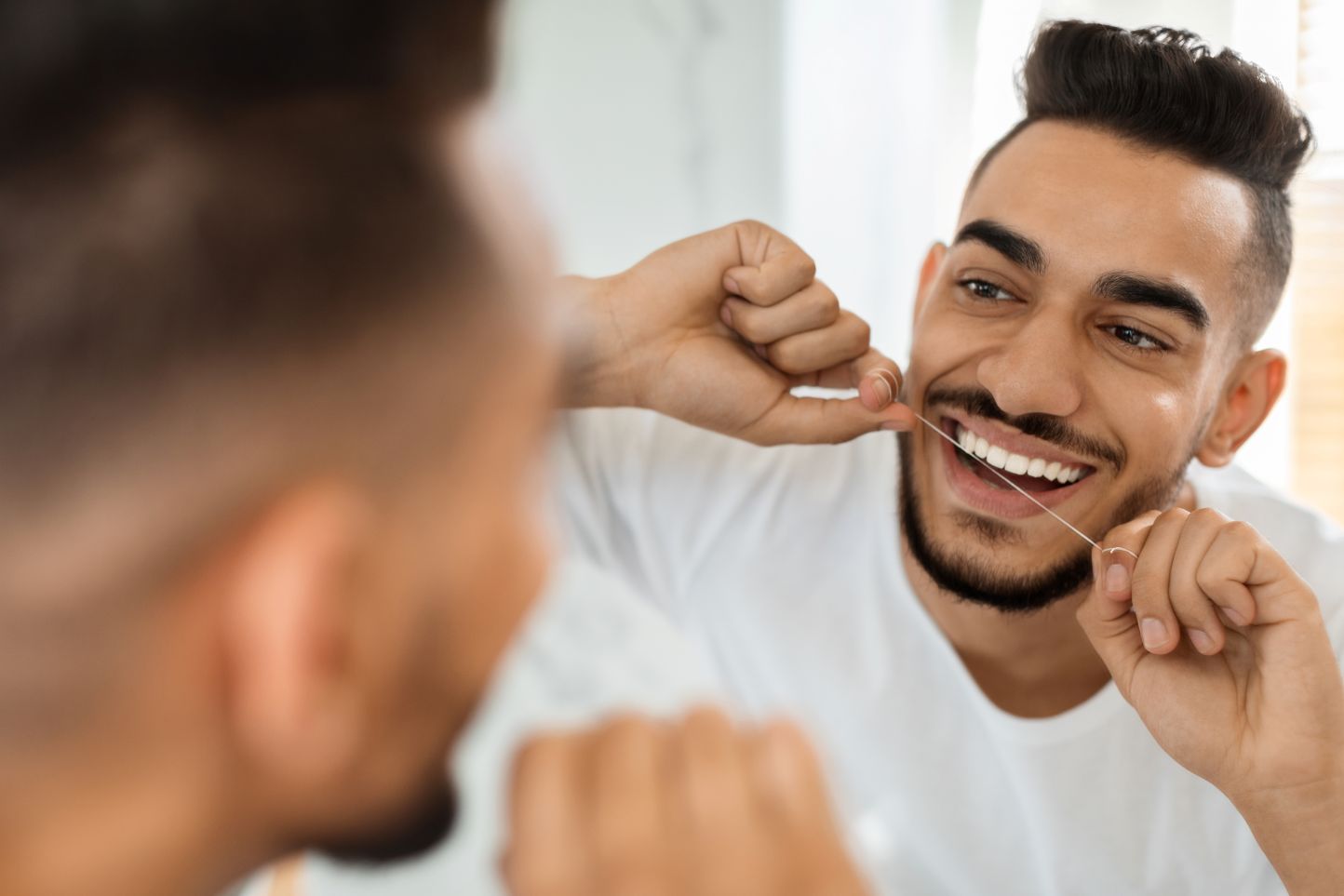
Flossing may feel like an extra chore, and yes, the process can seem a little unpleasant. Still, skipping it comes with real oral health consequences. Flossing clears plaque and trapped food from tight spaces where your toothbrush simply cannot reach. It also helps prevent gum disease by removing bacteria that fuel inflammation. If you want a stronger, healthier smile, flossing needs to be part of your routine. Below is what you need to know about why it matters and how to do it correctly.

What Is Plaque?

Plaque is a sticky biofilm that forms on your teeth throughout the day. It contains bacteria, saliva, and leftover food particles. When plaque is not removed regularly, it hardens into tartar. Only a dental professional can remove tartar, and once it forms, it becomes a major risk factor for cavities and gum disease. Daily flossing helps interrupt this progression before it starts.

Why Flossing Matters

Removes Plaque Between Teeth
 Flossing clears plaque from areas that brushing misses. These tight interdental spaces are where decay often begins, making flossing essential for cavity prevention.

Prevents Gum Disease
 When plaque sits along the gumline, it irritates the gums and triggers gingivitis. If ignored, gingivitis can progress into periodontitis, a more severe stage of gum disease that can damage bone and lead to tooth loss. Flossing removes the bacteria that drive this inflammation.

Improves Breath
 Trapped debris and bacterial buildup cause bad breath. Flossing helps eliminate these odor-causing particles and keeps your mouth feeling cleaner.

Reduces Cavities
 Most cavities form between the teeth. Removing plaque and food particles daily helps protect these vulnerable spots.

To Floss or Not to Floss

The evidence is clear. Flossing supports long-term oral health and complements regular brushing. If you want stronger gums, fewer cavities, and better overall hygiene, flossing is a smart choice. If you choose not to floss, consistent brushing and professional cleanings become even more important, but they still cannot replace what flossing does. The bottom line is that flossing matters. Your teeth and gums simply do better with it than without it.

When Should You Floss?

The ideal time to floss is before brushing. Doing this loosens plaque and food debris, allowing your toothpaste to work more effectively. If you forget, it is still beneficial to floss after brushing. Just avoid mixing toothpaste foam with flossing because it can make it harder to move the floss smoothly.

How to Floss Properly

There is no single correct method, but technique matters. Choose the approach that feels comfortable and allows you to be consistent.

Circle Floss Method
 Wrap floss around your middle fingers and use your thumbs and index fingers to guide it. Curve the floss into a C shape around each tooth and move it gently up and down.

Handheld Flossers
 These tools hold the floss for you and can be easier for beginners or those with limited dexterity. Insert the floss between each tooth and glide it along the sides to remove debris.

Floss Threaders
 These thin threaders help guide floss under dental work such as bridges or braces. Once the floss is positioned, move it up and down along the tooth surface.

Water Flossers
 Devices such as a Waterpik use pulsating water to clean between teeth. They are effective for removing loose debris and are especially helpful for people with braces, bridges, or sensitive gums.

Schedule an Appointment

No matter which method you choose, consistency is what keeps your gums healthy. Pair daily flossing with twice daily brushing, and do not forget to brush your tongue. To learn more about effective home care and personalized dental recommendations, schedule an appointment with our team. We are here to help you maintain a cleaner, healthier smile.

5 Essential Dental Care Tips for the Colder Months

At South Meadows Dental & Orthodontics, we love helping our patients across Carson City, Reno, and Northern Nevada keep their smiles healthy and bright all year long. With more than forty years of experience, our team understands that caring for your teeth at home is just as important as your regular visits with us.

When the temperatures drop, you might notice your teeth feeling a little more sensitive or your mouth a bit drier than usual. Cold weather can affect your smile in surprising ways, but with a few simple habits, you can keep your teeth strong and your smile glowing all winter.

Brush with a Gentle Touch

Cold air can make sensitive teeth feel even more tender, especially when you go from the chilly outdoors to sipping something warm inside. If this sounds familiar, try brushing gently using a soft-bristled toothbrush. A gentle circular motion helps clean your teeth effectively without irritating your gums. Using toothpaste made for sensitive teeth can also make a big difference. Over time, this can help you enjoy your favorite warm drinks and cool winter air with more comfort and confidence.

Keep Yourself Hydrated

When it is cold outside, it is easy to forget to drink enough water. We may crave warm drinks like coffee and cocoa, but our mouths still need plenty of water to stay healthy. Staying hydrated keeps your mouth moist, helps prevent bad breath, and supports your body’s natural way of protecting your teeth from decay. If plain water does not sound appealing, try sipping unsweetened herbal tea or adding a slice of lemon to your water for flavor. Keeping up with your fluids benefits your whole body, including your smile.

Protect Your Teeth During Winter Activities

Winter sports and outdoor fun can be exciting, but they can also pose risks to your teeth. Whether you are playing basketball, snowboarding, or joining your kids in a friendly game outside, wearing a properly fitted mouthguard is a smart choice. A custom mouthguard from our office fits comfortably and offers the best protection against injuries. You can always ask our team about getting one made just for you during your next visit.

Enjoy Winter Treats in Moderation

The holidays and colder months bring plenty of sweet temptations, from hot chocolate to cookies and candies. While it is fine to enjoy these treats, remember that sugar feeds the bacteria that cause cavities. Try to enjoy sweets in moderation and give your teeth a quick rinse with water afterward.

If you are curious about how to keep your smile looking its best even with the occasional treat, take a look at our cosmetic and restorative dentistry services. Our team can help you keep your teeth looking healthy and bright all year.

Practice Good Hygiene

Winter is also the season when colds and flu tend to spread more easily. Regular handwashing helps protect your overall health and can also prevent cold sores from appearing around your mouth. Keeping your hands and face clean helps you avoid spreading germs and keeps your smile feeling fresh and comfortable.


Let Us Help You Keep Smiling

At South Meadows Dental & Orthodontics, we believe your smile deserves the best care every season. From routine checkups to advanced cosmetic and restorative dentistry, our friendly team is here to support you and your family’s oral health goals.

If you are thinking about updating your smile, take a peek at our smile gallery to see some of the beautiful results our patients have enjoyed.

We would love to meet you and help you feel confident about your dental health. Schedule your visit today through our contact page and experience the comfortable, compassionate care that makes South Meadows Dental & Orthodontics a trusted choice in Northern Nevada.

Professional Whitening vs Drugstore Strips in Reno

Reno teeth whitening Opalescence Boost before and after. Custom tray whitening Opalescence PF with shade guide. Comparison chart professional whitening vs strips.

If you have ever stood in the dental aisle wondering whether those strips will finally give you the bright smile you want, you are not alone. Many adults in Reno feel self-conscious about their teeth and want real results without extra stress. At South Meadows Dental in Reno, Nevada, we help patients choose a safe and sensible path so they feel confident smiling in photos and in everyday life.

What makes professional whitening different

Professional whitening at a dentist uses prescription-strength gels and a plan that fits your teeth and your timeline. At South Meadows Dental, we offer systems like Opalescence, which are designed to balance effectiveness with comfort. The gel strength and the way it is applied are tailored to you. That means more even results across the curves of the teeth and the tiny spaces between them. It also means we can guide you on the right wear time so you avoid overdoing it. If you want to see how it works and what is possible for your smile, take a look at our smile gallery.

How strips compare in real life

Drugstore strips can lighten surface stains for some people. They are convenient and can be a starter option. The challenge is to fit and control. Strips sit on flat areas but can lift at the edges, which lets saliva in and gel out. That can lead to patchy shade change and a roller coaster of sensitivity. Many people end up buying multiple boxes over several weeks and still feel they did not reach the shade they hoped for. If you are preparing for a special event or want a predictable path, a professional plan usually gets you there more smoothly.

Comfort and safety you can feel good about

Sensitivity is a common worry, especially if you have had a rough experience with strips. Our approach focuses on comfort from the start. We map your starting shade, check your enamel and gum health, then select a gel and wear time that match your needs. Opalescence formulas include ingredients that support comfort, and we provide clear aftercare guidance about foods and drinks to avoid for the first day. Most patients do very well with this plan because it respects how your mouth responds rather than forcing a one-size-fits-all routine. You can read more about our approach to teeth whitening.

Realistic timelines and expectations

Honest expectations reduce stress. Some smiles brighten quickly, while others need a bit more time. Many adults who choose professional whitening see a noticeable change within the first week and reach their goal within two to four weeks with either custom trays or an in-office visit plus short at-home sessions. If you have deeper stains from coffee, tea, or red wine, we will set a plan that builds gradually and protects your enamel. We will never promise a specific number of shades because everyone starts in a different place. What we do promise is careful guidance, progress checks, and a plan that makes sense for your goals and budget.

Why local care matters in Reno

Reno living comes with bright sun, outdoor events, and a strong coffee culture. All of that makes maintenance important after you whiten. We will show you simple habits to help your results last, from timing your favorite drinks to quick routines that fit your day. When a local team supports you, you know exactly who to call with questions, and you can come in for a quick check if something feels off. 

South Meadows Dental is here to make the process easy and reassuring. Our goal is a healthy, bright smile that feels like you. When you are ready, schedule a friendly consultation through our online contact form. If you prefer to talk first, reach out and ask anything. We are happy to help you choose the right whitening path for your smile and your timeline.

Opalescence is a registered trademark of Ultradent Products Inc.

How Painful is Invisalign?

Invisalign

Clear dental aligners such as Invisalign have grown in popularity over the years as an alternative to traditional metal braces. These aligners are plastic trays that are worn over the teeth to slowly straighten them.

Since they don’t involve wearing brackets and wires that can rub against your lips and gums, they are often more comfortable than traditional braces, but there is still a chance that you will experience some pain and discomfort. The first week of wearing Invisalign trays has the potential to be the most painful since you’ll still be getting used to wearing them, but the level of pain and discomfort you will feel will depend on your individual pain tolerance. There’s a chance that you won’t feel any pain at all.

If you do still feel significant pain after the first week of your Invisalign treatment, you may have a more serious underlying condition that your orthodontist can check for.

Pain During Your First Week

Invisalign works by gradually shifting and straightening your teeth, which can feel uncomfortable and even painful at first. However, this pain is likely to be temporary and will go away as you become accustomed to wearing your aligners.

The amount of pain that you feel during the first few days of each new Invisalign tray will likely depend on your own pain tolerance. One study reported that 54% of Invisalign patients reported experiencing mild pain, while 35% felt no pain at all. You may also feel pain in just one tooth, which is a sign that the treatment is working. The pain you feel is that tooth shifting into its proper alignment.

One of the biggest complaints among Invisalign patients was mild discomfort during chewing. This was reported by 44% of patients in the above study.

Invisalign requires patients to switch to new trays every two weeks, so it is possible that you will feel some pain and discomfort with each new tray for about two or three days. Again, this is temporary and should go away once you become accustomed to your new trays. Until you get used to your new aligners, you can always treat your pain with over-the-counter pain medications such as Tylenol or apply dental wax to the edges of the aligners that are rubbing against your lips or gums.

When Pain is a Concern

Although the pain associated with Invisalign is usually mild, some patients may experience pain or discomfort beyond the first two weeks of their treatment. Contact your orthodontist if this is the case for you. You should also contact your orthodontist if you experience any of the following symptoms:

  • Bleeding gums
  • Sensitivity to heat or cold
  • Pain when eating or swallowing food or liquids
  • Facial swelling

Schedule a Consultation

If you would like to schedule a consultation with South Meadows Dental & Orthodontics to learn more about Invisalign, call us today or fill out our online form, and we will be happy to answer any questions you might have.

The Dos and Donts of Braces

damon braces

Braces will give you the bright and beautiful smile you have been longing for. It will also help you improve your oral health. For many patients, getting braces is the best thing to do for your teeth and appearance. However, braces need proper care to be effective. To help you care and maintain your braces during treatment, here are the do’s and don’ts.

Do Floss Daily 

Flossing becomes more crucial when you have braces. You should never allow plaque to accumulate on your teeth because it can compromise the treatment. Your toothbrush may miss some spots, but flossing will ensure there are no remaining particles. Be gentle with your back and forth motions when flossing. It’s the best way to avoid oral health issues when you have braces.

Don’t Eat Hard Or Sticky Foods That Can Damage Your Braces.

The South Meadows dental and orthodontics team will tell you the foods to stay away from after receiving your Damon braces. Unfortunately, when you have braces, you cannot eat everything you used to eat before. Try to stay away from crunchy, hard, sticky, or chewy foods and foods that require biting into. If your braces loosen, the treatment will extend, and your recovery will take a long time.

Do Protect Your Braces While Playing Sports

If you have to maintain an active lifestyle that involves sports, ensure your teeth are protected. Damon braces, together with low-force, flexible, shape-memory wires, can be very comfortable. But that doesn’t mean they can’t get damaged, especially if you play contact sports. Consult your dentist and find out if you can get a mouth guard to keep your braces safe.

Don’t Bite Your Nails

Nail-biting can damage your orthodontic braces. Try as much as possible to avoid biting your nails. Sometimes nail-biting is done subconsciously, but when you can, avoid chewing on hard objects. You have to protect the braces if you want to enjoy the full benefits.

Do Brush Your Teeth After Meals

Ditch your hard toothbrush and get a soft-bristle brush for the whole time you will have braces. It makes it easier to maintain a proper brushing routine. It’s easy for food particles to get trapped in the wires and braces. The soft-bristle brush allows you to be thorough and careful with the brushing. Brush after meals to avoid teeth discoloration, decay, and many other issues.

Don’t Miss Any Orthodontic Appointments

It is crucial to keep seeing your orthodontist while you are undergoing treatment. Regular visits to the orthodontic office are an aftercare necessity. They will help check your healing progress and adjust the wires. If there are any gingivitis or decay issues, they will be caught early and addressed immediately.

Schedule an Appointment If you are considering braces, or have braces and would like to schedule routine examinations or follow up appointments, fill out our online contact form to get in touch with the team of experts at South Meadows dental and orthodontics office. We offer many dental services, including cosmetics and restorative dentistry. Scheduling a consultation is the best way to know if you are a good candidate for Damon braces.