Please ensure Javascript is enabled for purposes of website accessibility

Dental Implants vs Bridges: Which Is Right for You?

Rhinoplasty

Dental Implants Bridge: Your Complete Guide to Replacing Missing Teeth

If you’re exploring options for replacing missing teeth in Reno, NV, understanding the difference between a dental implant bridge and other tooth replacement solutions is an important first step. Tooth loss affects far more than your smile; it can impact your ability to chew comfortably, alter your facial structure over time, and affect the health of your remaining teeth. This guide covers everything you need to know about dental implants, traditional dental bridge options, and implant-supported bridges, including how each works, what the process involves, and how to decide which approach fits your individual needs. Whether you’re dealing with a single missing tooth or several, having complete information helps you move forward with confidence. If you’d like to discuss your options with an experienced dentist, contact South Meadows Dental at (775) 852-8181.

Understanding Dental Bridge Options for Missing Teeth

A dental bridge is a fixed restoration designed to span the gap left by one or more missing teeth. The artificial teeth within the bridge, known as pontics, are anchored in place using the teeth or implants on either side of the gap. There are several types of bridges, each suited to different clinical situations.

Traditional Bridges

Traditional bridges are among the most commonly placed restorations for replacing missing teeth. They rely on the adjacent teeth on either side of the gap, called abutment teeth, to support the pontic. The dentist prepares these abutment teeth by removing a portion of the enamel, then secures the final bridge using dental cement. Traditional bridges offer a reliable, cost-effective solution for many patients, and they can typically be completed in two visits.

Cantilever Bridges

Cantilever bridges are anchored to only one neighboring tooth rather than to teeth on both sides. They are generally reserved for areas with lower biting force, such as the front of the mouth. Because of their design, cantilever bridges place more stress on the single abutment tooth, which is an important factor your dentist will evaluate before recommending this approach.

Maryland Bridges

Maryland bridges use a metal or porcelain framework bonded to the backs of the adjacent teeth rather than requiring full crown preparation. Because of their less invasive nature, Maryland bridges preserve more of the existing teeth. However, they may not provide the same long-term durability as other bridge types, and their use is typically limited to specific clinical situations.

How Dental Implants Work as an Artificial Tooth Root

Dental implants represent a fundamentally different approach to replacing missing teeth. Rather than relying on surrounding teeth for support, an implant functions as an artificial tooth root placed directly into the jawbone. Understanding how implants work helps clarify why many patients and dentists consider them a strong, long-term solution.

The process begins with placing a titanium post into the jaw. Over the following weeks, the bone grows around and integrates with the post through a process called osseointegration. This biological bond is what gives implants their stability and strength. Once the healing period is complete and osseointegration is confirmed, a crown or bridge is attached to the implant, restoring both function and appearance.

Because implants are anchored in the jawbone, they stimulate bone growth in a way that natural teeth do. This is significant for long-term oral health. When a tooth is lost and not replaced with an implant, the jawbone in that area can gradually deteriorate, a process known as bone loss. Preventing bone loss through implant placement supports jawbone health and helps maintain your facial structure over time.

Not every patient is immediately eligible for implants. Sufficient bone density in the jaw is required to support a titanium post. For patients with existing bone loss, a bone graft procedure may be recommended to rebuild adequate bone volume before implant placement. Your dentist will evaluate your existing bone structure and overall oral health during a thorough consultation.

Implant-Supported Bridges: Combining Both Approaches

Implant-supported bridges offer an approach that combines the structural benefits of dental implants with the spanning capability of a bridge. Instead of relying on abutment teeth for support, implant-supported bridges are anchored by two or more implants placed on either side of the gap. The bridge itself, including the artificial teeth in the middle, attaches securely to these implants.

This approach is particularly well-suited for patients with multiple consecutive missing teeth. Implant-supported bridges eliminate the need to alter healthy teeth on either side of the gap, which is one of the key distinctions from traditional bridges. Because the implants are embedded in the jawbone, implant-supported bridges also contribute to preserving jawbone health in the area of tooth loss.

The implant-supported approach requires adequate bone density and a healing period between implant placement and final bridge delivery. A lab technician crafts the final bridge to match the shape, size, and color of your natural teeth, creating a natural look that blends with your smile. Many patients find that this aesthetically pleasing solution closely mirrors the appearance and function of real teeth.

The overall implant process for an implant-supported bridge is longer than traditional bridge placement, but the long-term investment often reflects the extended durability and oral health benefits implants provide.

Comparing Implant-Supported Bridges to Traditional Dental Bridges

Choosing between an implant-supported bridge and a conventional dental bridge involves weighing several factors specific to your oral health, anatomy, and goals. Neither approach is universally superior; the right choice depends on your individual clinical picture and personal preferences.

Impact on Adjacent Teeth

Traditional bridges require preparation of the abutment teeth, which means healthy teeth on either side of the gap are permanently altered. For patients with otherwise healthy teeth, this is worth careful consideration. Implant-supported bridges do not require modification of the neighboring teeth, leaving those healthy teeth intact.

Bone Preservation

Unlike implants, traditional bridges do not stimulate the jawbone beneath the pontic. Over time, bone loss can occur in the area where the missing tooth root once was. Dental implants actively support bone density by mimicking the stimulation that natural teeth provide through chewing function. For patients focused on long-term jawbone health, this distinction matters.

Longevity and Maintenance

Permanent bridges supported by implants can offer extended durability when maintained properly. Traditional bridges are also durable, but they may need replacement over time, and the abutment teeth can be vulnerable to decay beneath the dental cement. Bridges offer reliable function with proper care, including flossing daily around and beneath the bridge using specialized floss or interdental tools.

Treatment Timeline and Cost

Traditional bridge placement is generally faster, often requiring only two visits. The implant-supported route involves a longer timeline due to osseointegration and the healing period. From a cost perspective, a dental bridge can represent a more cost-effective solution in the short term. Implants are a larger long-term investment, but their durability and bone-preserving benefits may reduce the need for future interventions.

What to Expect During the Bridge or Implant Process

Understanding the treatment timeline helps set realistic expectations and supports confident decision-making.

For a traditional dental bridge, the dentist begins by preparing the abutment teeth using local anesthesia to enhance comfort during the procedure. Impressions or digital scans are taken and sent to a dental lab, where a lab technician crafts the final bridge. A temporary bridge protects the prepared teeth while the permanent restoration is being made. At the second visit, the dentist removes the temporary bridge and secures the final bridge in place.

For implant-supported bridges, the process begins with a comprehensive evaluation, including imaging to assess bone density and jaw anatomy. Implant placement is performed under local anesthesia. The osseointegration period typically spans several months, during which a temporary bridge may be worn. Once integration is confirmed, the final bridge is fabricated and attached to the implants. Proper care after placement is essential for long-term success, and your dentist will guide you through maintenance best practices.

Patients seeking a smile makeover that addresses multiple areas of concern may benefit from discussing how bridge or implant treatment fits within a broader cosmetic dentistry plan during their consultation.

Why Choose South Meadows Dental in Reno, NV?

South Meadows Dental has served the Reno community since 1975, when Dr. Norman Beesley founded the practice with a commitment to relationship-centered care. That legacy continues today under Dr. Brian Struby, DDS, who joined the practice in 2006 following dental education at Creighton University, where he earned the Academy of General Dentistry Dental Student of the Year Award. Dr. Struby is a member of the Frank Spear Faculty Club, reflecting his ongoing dedication to advanced continuing education. The practice is affiliated with the American Dental Association, the Nevada Dental Association, and the Northern Nevada Dental Society.

Patients in south Reno, Sparks, and the broader Northern Nevada region benefit from a practice that combines multi-generational community trust with modern dental technology. In-house CAD/CAM milling enables same-appointment crowns and restorations for qualifying cases, offering meaningful convenience for busy patients. When it comes to replacing missing teeth through dental implants or bridge placement, the depth of experience and individualized care at South Meadows Dental support well-informed, patient-centered decisions. We welcome patients from across the Reno area and are happy to discuss your oral health goals in a comfortable, unhurried environment.

Ready to explore your options? Dr. Brian Struby, DDS, and the South Meadows Dental team are here to help. Contact us online or call (775) 852-8181 to schedule a personalized consultation.

Frequently Asked Questions About Dental Bridges and Implants

Can I get a dental bridge if I have multiple missing teeth in a row?

In many cases, yes. The number of consecutive missing teeth, the health of the surrounding teeth, and your overall bone structure all influence whether a traditional bridge or an implant-supported bridge is the more appropriate option. Your dentist will evaluate these factors and discuss which approach aligns best with your clinical needs and goals.

How do I know if I have sufficient bone density for dental implants?

Bone density is assessed through dental imaging, typically a cone beam CT scan, during your consultation. If your bone has diminished due to prior tooth loss, a bone graft may be recommended to establish the bone volume needed to support a titanium post. Your dentist will walk through imaging findings and explain what they mean for your candidacy.

Will my bridge or implants look like my natural teeth?

Both traditional bridges and implant-supported bridges are designed to closely match the color, shape, and size of your natural teeth. A skilled lab technician works from detailed impressions or scans to craft a restoration with a natural look. Individual results vary, and your dentist can show you what to expect based on your specific case.

What happens to the jawbone under a traditional bridge over time?

When a tooth root is absent, the jawbone in that area no longer receives the stimulation it needs to maintain density. Over time, this can lead to gradual bone loss beneath the pontic of a traditional bridge. Implants help address this by acting as an artificial tooth root that stimulates the jaw during chewing function, supporting long-term jawbone health.

How long do permanent bridges typically last?

With proper care, permanent bridges, both traditional and implant-supported, can last many years. Traditional bridges may require eventual replacement, and their longevity depends significantly on oral hygiene, bite forces, and the health of the abutment teeth. Implant-supported restorations tend to have strong long-term durability when maintained well. Your dentist can provide more specific guidance based on your situation.

What does the cost difference between bridges and implants generally look like?

A traditional dental bridge is generally a more cost-effective solution upfront compared to implants, which involve a longer process and more components. However, implants may reduce the likelihood of future procedures related to bone loss or abutment tooth complications. Costs vary based on several factors, including the number of teeth involved, bone conditions, and the complexity of your case. We encourage you to schedule a consultation so we can provide a thorough evaluation and transparent discussion of your options.

Is there a temporary option while I wait for my final restoration?

Yes. For both traditional bridge and implant-supported bridge treatment, a temporary bridge is typically placed to protect the area and maintain appearance and function while the final restoration is being crafted or while implants undergo the healing period. Your dentist will ensure you are comfortable throughout the process.

Take the Next Step Toward Replacing Missing Teeth

You now have a thorough foundation for understanding your options, from traditional dental bridge placement to implant-supported bridges and the role dental implants play in preserving jawbone health over time. The best path forward depends on your oral health, bone structure, and long-term goals, which is why a personalized consultation is the most valuable next step. At South Meadows Dental, Dr. Brian Struby, DDS, brings decades of community trust and advanced continuing education to every evaluation. If you’re in Reno, NV, or the surrounding Northern Nevada area and are ready to explore dental implants, bridge solutions, or both, we’re here to guide you. Schedule your consultation online or call us at (775) 852-8181 to take the first step toward a healthier, more complete smile.


 

How Your Oral Health Impacts Your Overall Wellness in the New Year

A Fresh Start for a Healthier You

As the new year begins, many people focus on improving their health through better nutrition, regular exercise, and stress management. However, oral health is often overlooked in this process. At South Meadows Dental in Reno, we emphasize that a healthy smile is essential for maintaining overall wellness. Your mouth serves as a mirror to your body’s health, and taking care of it can positively influence many other aspects of your life.

The Connection Between Oral Health and Total Wellness

Oral health and overall health are closely connected. The condition of your gums and teeth can affect your body’s ability to fight inflammation and infection. When issues such as gum disease develop, harmful bacteria may enter the bloodstream, increasing the risk of health complications.

Scientific studies have linked poor oral health to conditions including heart disease, diabetes, respiratory infections, and cognitive disorders. For instance, chronic inflammation from gum disease can make it more difficult to maintain stable blood sugar levels or may put added strain on the cardiovascular system. While consistent dental care cannot guarantee complete protection, it plays a critical role in reducing these risks and supporting a healthier body.

How Daily Habits Support Long-Term Health

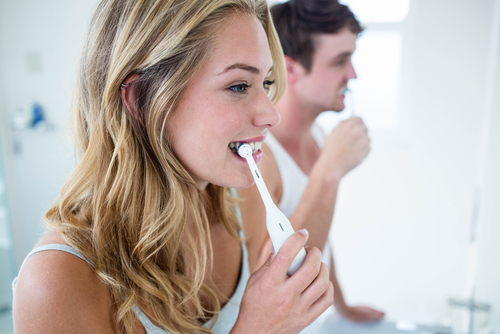
Healthy routines at home form the foundation of lasting oral wellness. Brushing twice a day thoroughly, flossing daily, and visiting your dentist regularly help prevent the buildup of plaque and bacteria. Routine checkups also allow your dentist to identify potential issues in their earliest stages, before they require more complex treatment.

Balanced nutrition also contributes to a healthy smile and body. Limiting sugary foods and beverages, incorporating fresh produce, and staying properly hydrated all help strengthen teeth and gums. These everyday habits, when practiced consistently, promote a healthier mouth and a stronger immune system.

The Importance of Professional Dental Care

Routine professional care is essential to maintaining optimal oral health and preventing more serious concerns in the future. At South Meadows Dental, we take a comprehensive approach to general and family dentistry, emphasizing prevention, education, and patient comfort.

Our experienced team provides thorough examinations, gentle cleanings, and personalized treatment plans tailored to your unique needs. For patients who wish to enhance both the function and appearance of their smile, our cosmetic and restorative dentistry services offer natural-looking, durable results that support confidence and oral strength. Every treatment is delivered with an emphasis on realistic outcomes and long-term benefits.

Make Your Health a Priority This Year

Entering a new year presents the perfect opportunity to include oral wellness in your overall health goals. By maintaining a consistent dental routine and partnering with a trusted Reno-based dental team, you can safeguard not only your smile but also your long-term well-being.

If it has been some time since your last dental visit, now is an excellent opportunity to begin the year with renewed focus on your health. The caring professionals at South Meadows Dental in Reno are ready to help you achieve a brighter, healthier future. Schedule your appointment today through our online contact form and take the first step toward better oral and overall wellness.

The Role of Family Dentistry in South Reno

At South Meadows Dental, we believe that every smile deserves personalized attention, compassionate care, and expert support—especially when it comes to the dental needs of your entire family. Our commitment to family dentistry in Reno is rooted in our dedication to providing exceptional dental care for patients of all ages, from toddlers to grandparents.

Located in South Reno, our family dental practice offers a wide range of dental services, including cosmetic dentistry, pediatric dentistry, dental implants, and gentle dental care. Whether you’re coming in for routine check-ups, a child’s first appointment, or complex procedures, we make sure every dental visit is a positive experience built on trust, comfort, and healthy smiles.

Why Choose Family Dentistry in South Reno?

Selecting a family dentist who understands your family’s changing needs is crucial for maintaining optimal oral health. At South Meadows Dental, we make it easy and convenient to get comprehensive care for the whole family under one roof.

With our highly trained team and patient-first philosophy, we ensure that each visit is tailored to your specific needs, making us a trusted choice for dentistry in Reno and throughout Northern Nevada. Our modern facility is designed with patient comfort in mind, ensuring a smooth and painless experience, whether you’re here for a routine dental cleaning or more advanced treatments, such as teeth whitening or dental implants.

Pediatric Dentistry and Child Orthodontics

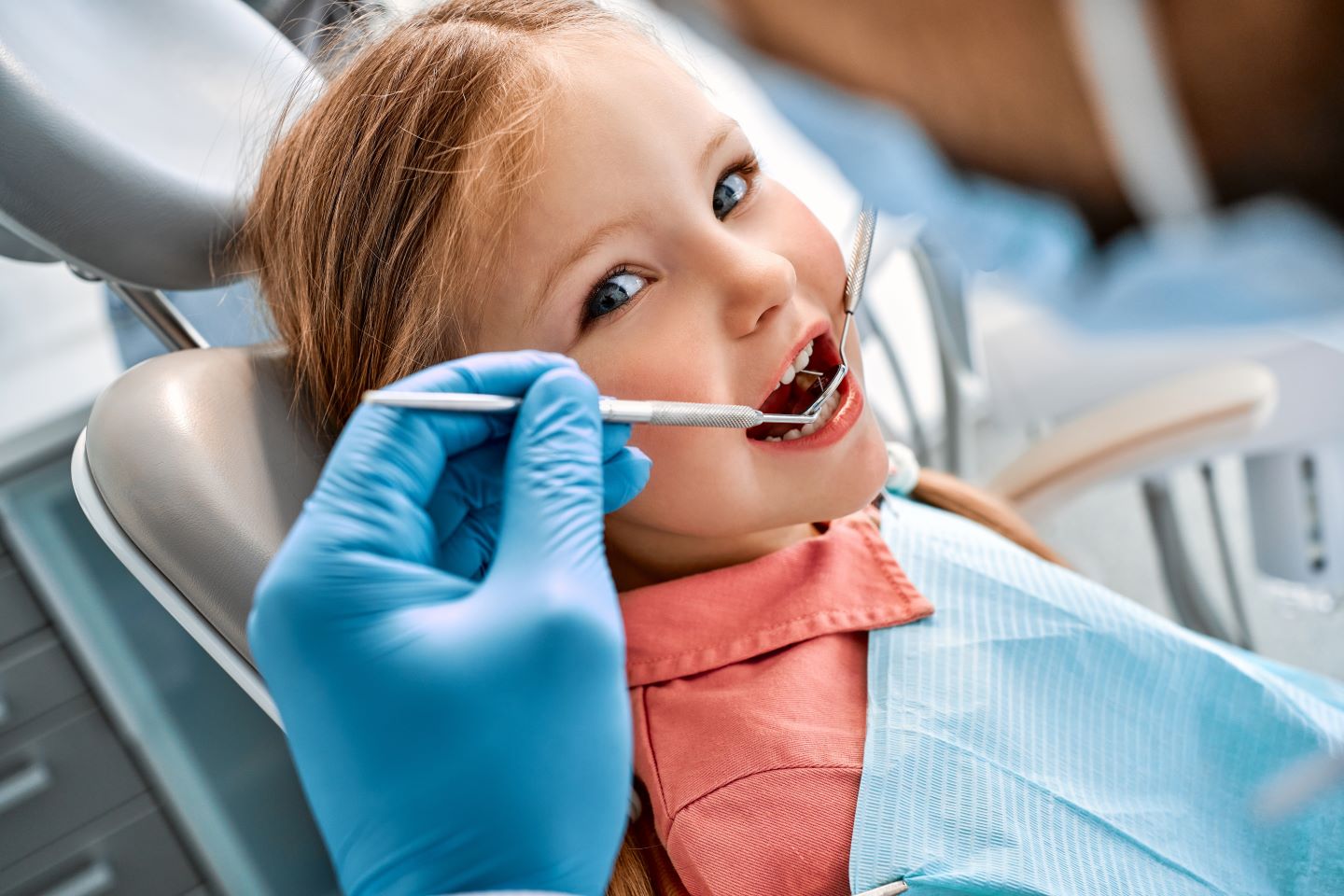
Establishing a solid dental foundation early in life is key to lifelong oral health. Dr. Meagan Struby and the team provide fun and educational care for children, ensuring that young patients learn the value of healthy habits from the start. Our pediatric dentistry services are gentle, personalized, and focused on prevention, helping your child develop a healthy relationship with the dentist.

For growing smiles in need of alignment, our child orthodontic options include traditional braces and innovative systems, such as Damon Braces. These advanced braces offer a more comfortable fit with fewer adjustments and shorter treatment times, making them an excellent choice for busy families.

Dental Care Tips for the Whole Family

Maintaining a healthy smile is a year-round commitment. Here are a few simple ways to maintain optimal oral health:

  • Book your next appointment to help prevent problems before they start.
  • Keep a supply of fresh toothbrushes, dental floss, and fluoride toothpaste on hand.
  • Incorporate tooth-friendly foods, such as fruits, vegetables, and dairy products, into your diet.

Contact South Meadows Dental Today

If you’re searching for a new dentist or exploring your options for family dentistry in Reno, South Meadows Dental is here to serve you with a personal touch and top-notch care. Whether it’s your child’s first dental check-up, a teen’s orthodontic evaluation, or restorative care for an adult, our practice is built to support every stage of your family’s dental journey.

Contact South Meadows Dental in Reno, NV, today. Call (775) 852-8181 to schedule an appointment or learn more about our full range of dental services. We’re proud to be a trusted name in dentistry across South Reno, Northern Nevada, and beyond, where families come first and every smile is treated with care, respect, and dedication. Visit our site to learn more about our team, services, and resources for maintaining excellent dental health for your whole family.

Why Summer is the Best Time to Begin Dental and Orthodontics Treatment for Children

As school lets out for the summer, your child’s orthodontic care might be the furthest thing from your mind. However, it’s important to consider that summertime might be the best time to invest in their oral health! Getting straighter teeth and a healthier mouth is a process, and starting at the right time can make the process easier. At South Meadows Dental & Orthodontics, we’re here to help your child enjoy a fun summer while still maintaining a healthy smile. Here are some reasons why it’s best to get started on orthodontic treatment now.

Scheduling is Easier

In many cases, summertime means that your child’s schedule opens up considerably. Orthodontic treatment like traditional braces, Damon braces, retainers, or Invisalign require multiple appointments to ensure a good fit, adjust devices, and check in with our team as your child’s crooked teeth shift. With your busy schedule, it can be difficult to fit these appointments in during the school year – especially when your child risks missing valuable classroom time or activities. Summertime can make it easier for your child to meet their appointments and ensure good continuity of care.

Your Child Will Have a Longer Adjustment Period

If your child is new to braces or other orthodontic service, they’ll require a notable adjustment period. They’ll have new habits to learn, a new feeling in their mouth, and new responsibilities to take on. These things can be difficult to manage while they’re in school, especially while trying to navigate their classes, friends, and the process of growing up. You can alleviate their stress by ensuring they have the whole summer to adjust, as well as the comfort of being home and in a familiar, more controlled environment.

Your Child Can Learn How to Take Care of Their Devices

Treatments like metal braces, retainers, and Invisalign clear aligners all require dedicated care. Your child will need to learn how to take care of them and maintain good oral hygiene at the same time. When your child doesn’t need to worry about school, they can more effectively focus on remembering these responsibilities and forming new habits – such as removing and washing their aligners or removing food from between brackets and misaligned teeth. Having to learn these new responsibilities in the middle of the school year can be overwhelming, meaning beginning during the summer can make them more likely to succeed.

Pain and Discomfort are More Manageable

Especially with treatments like traditional metal braces, pain and discomfort are normal at first. If your child might have difficulty accessing pain medications while at school, they can benefit more from being at home while they adjust to braces treatment. There’s less worry about missing lessons or activities because of pain, and they can take the pain-relieving steps they need without having to worry about the stress of school.

Your Child Can Learn What to Eat

If your child doesn’t have direct control over what they eat while at school, summertime can be a good chance to learn what foods they’ll need to avoid. Foods like hard candy, sticky foods, popcorn, and more aren’t recommended while wearing certain orthodontic appliances because not only can they damage the devices, but they can make your child more likely to experience gum disease. If your child has ready access to foods things at school, it’s important that they learn to avoid them well in advance.

Dental and Orthodontic Treatment in Reno, NV

Summertime is a great time to invest in your child’s oral health and take steps toward properly aligned teeth, as well as set them up for lifelong success with their orthodontic treatment. To meet with our team and get started, contact our Reno office by calling or filling out our online form.

Our Top Family Dental Care Tips

Family Dentistry Tips at South Meadows Dental & Orthodontics in Reno, NV

We’ve all heard of brushing and flossing daily, but good oral health can require a few more important steps! Taking good care of your teeth is multifaceted, and it can feel overwhelming sometimes. The key is focusing on a few at a time until you master them. At South Meadows Dental & Orthodontics, our team can help you find ways to boost your oral health and maintain good hygiene. Here are some of our top dental care tips that your whole family can benefit from.

Drink More Water

Virtually everyone should drink more water. Not only does it bring many benefits to your whole body, but it can help boost your oral health. Drinking water helps wash away food particles and bacteria that can contribute to periodontal disease, as well as prevent stains from certain foods and drinks. Keep a water bottle on hand or drink a cup of water after you eat or drink.

Manage Your Toothbrush

Did you know you should change your toothbrush regularly? A general rule is to switch to a new toothbrush every three months, or once you begin to notice it fraying. This can help maintain a cleaner environment for your mouth by not regularly introducing bacteria trapped in your toothbrush. Additionally, make sure to look for a soft-bristled toothbrush and soften it with warm water whenever you brush. This can help prevent damage to your gums that can make you more susceptible to infection.

Switch to Floss Picks

If you have trouble regularly flossing or your mobility is limited, floss picks can be helpful. These are small, single-use plastic instruments that have a piece of floss stretched between two tines. They can make it easier to reach all of your teeth and can also make it faster, simpler, and less messy to floss versus traditional methods. If you’re concerned about waste, many brands offer easy recycling.

Limit Sugar and Acid

Sugary treats are wonderful and should be enjoyed, but make sure to care for your oral health at the same time. Sugar forms the basis for periodontal disease, meaning too much can be a bad thing. Similarly, too much acid can wear away at your enamel. If you regularly have soda, for example, try cutting down by a small amount every week until you can enjoy it in moderation. In the meantime, drink water to wash away any sugar or acid that might be stuck to your teeth whenever you have these treats.

Protect Your Teeth

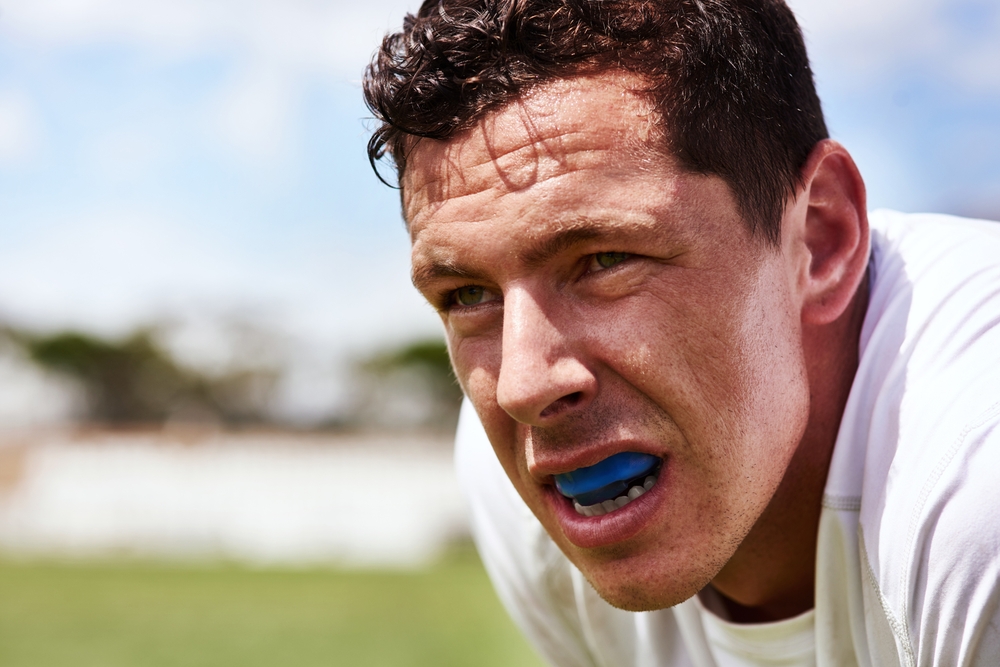
If you play contact sports or grind your teeth, it’s important to protect your teeth, so they last a lifetime. If you don’t already, wear a nightguard to prevent tooth grinding while you sleep, and consider wearing it during a long commute or stressful situation if you find yourself grinding or clenching your teeth during the day. Similarly, wear a mouthguard while engaging in sports to protect against painful and expensive injuries to your teeth.

Family Dental Care in Reno, Nevada

To learn more about ways to protect your teeth and keep your mouth healthy, meet with our knowledgeable team by calling or filling out our online form.

Discover the Benefits of Digital X-Rays at South Meadows Dental & Orthodontics

When it comes to maintaining your dental health, early detection and prevention of potential issues are key. At South Meadows Dental & Orthodontics, we leverage crucial advancements in dental technology, like digital X-rays, to ensure the best and safest care for our patients. In this blog post, we’ll delve into why digital X-rays are an essential tool for early detection and discuss how our commitment to this technique helps deliver optimal dental care for our valued patients.

Why Digital X-Rays are Indispensable in Dental Care

Dental X-rays have always been a staple in the detection of potential dental issues that aren’t visible to the naked eye. However, digital X-rays have taken this technology a step further, enabling early detection and, consequently, the prevention of complex and costly procedures down the line. Digital X-rays, being vastly superior to traditional radiographs, provide clear, detailed images instantly, allowing for a speedy and accurate diagnosis.

Unveiling the Benefits of Digital X-rays

At South Meadows Dental & Orthodontics, we believe in sharing comprehensive information about the benefits of our services with our patients. Here are some of the key advantages of using digital X-rays:

Early detection

With digital X-rays, concerns such as decay, cysts, or tumors can be detected very early. This allows us to jump into action with preventative care treatments and practices, helping to avoid unnecessary discomfort and expenses.

Reduced radiation exposure

At South Meadows Dental & Orthodontics, safety is our top priority. With that in mind, we offer digital X-rays due to the fact that they emit significantly less radiation (around 80% less) compared to traditional radiographs, making them a safer choice.

Comprehensive problem identification

Digital X-rays give us a detailed view of the teeth, mouth, and jaw, enabling us to spot problems from every angle. With traditional X-rays, we are limited only to the view and angle that the X-ray was taken at, making it easier to miss crucial information.

Enhanced patient communication with Instant Image Availability

The images from digital X-rays are available immediately, meaning less waiting time and quicker treatment. The instant availability and clarity of these digital images facilitate better communication between you and Dr. Struby, as you can visually understand the diagnosis and proposed treatment plan.

Electronic image sharing

When necessary, digital images can be seamlessly shared with other doctors or insurance companies, streamlining your dental care process. Using subtraction radiography, the computer can easily compare past and present X-rays, isolating any changes that may have occurred regarding your teeth, jaw, or mouth.

Our Commitment to Personalized, Patient-Centric Services

At South Meadows Dental & Orthodontics, our aim is to provide an effective, comfortable, and patient-centric oral care experience. We are deeply committed to using digital X-rays to complement our examination protocols. Not only does this method facilitate a thorough and accurate diagnosis, but it also ensures we stay true to our promise of delivering the best, most innovative services, maintaining our patient’s well-being as the center of our focus.

Schedule a Consultation

Leveraging digital X-rays and other advanced dental technologies, the team at South Meadows Dental & Orthodontics is committed to offering personalized, effective solutions. Conveniently located at 825 South Meadows Parkway, Reno, Nevada, we deliver exceptional service that our patients trust and value. Reach out to us via our online contact form to schedule a consultation today.

Safeguarding Smiles: Dealing with Dental Emergencies Caused by Sports Injuries

Sports are a fantastic way to stay active, healthy, and build a sense of camaraderie among athletes. However, with the thrill of competition comes the risk of injuries, some of which can lead to dental emergencies. The American Dental Association projects that one-third of all dental injuries are sports-related. Protecting your teeth during sports is essential, and being prepared for potential dental injuries is equally important. In this blog, we will explore common dental emergencies resulting from sports injuries and provide guidance on how to handle them.

Types of Dental Injuries in Sports

Sports-related dental emergencies can range from mild to severe, with varying degrees of impact on oral health. Some common dental injuries include:

Tooth Fractures

A direct blow to the face or a fall can lead to chipped or fractured teeth. Getting your fractured tooth repaired quickly can save your tooth and reduce further damage or infection.

Avulsed Teeth

Knocked-out teeth, often caused by a forceful impact, require prompt attention for potential re-implantation.

Soft Tissue Injuries

Injuries to the lips, tongue, or cheeks can occur during sports, leading to bleeding and discomfort. It is important to go to the hospital if stitches are needed.

Jaw Possibly Broken

In this scenario, you should apply an ice pack to control swelling. It is best that you go to the hospital emergency room as soon as possible.

Immediate Actions

Quick and appropriate actions can make a significant difference in the outcome of a dental emergency. Here’s what to do in the event of a sports-related dental injury:

Preserve the Tooth

If a tooth is knocked out, handle it by the crown (top part) and avoid touching the root. Rinse it gently with water if dirty, but do not scrub or use soap. Try to reinsert the tooth into its socket, or keep it in milk or a tooth preservation kit until you can see a dentist.

Control Bleeding

Apply gentle pressure to the injured area with a clean cloth or gauze to control bleeding. If bleeding persists, seek professional help.

Manage Pain and Swelling

Over-the-counter pain relievers and cold compresses can help alleviate pain and reduce swelling. Avoid placing aspirin directly on the gums, as it may cause irritation.

Seek Professional Help

Regardless of the severity of the dental injury, it is crucial to seek professional dental care promptly. Dentists are trained to assess the extent of the damage, provide necessary treatments, and offer guidance on long-term care.

Preventive Measures

Prevention is the best approach to avoid sports-related dental emergencies. Athletes can take several precautionary measures:

Wear Protective Gear

Mouth guards, helmets, and face shields are essential protective gear that can significantly reduce the risk of dental injuries.

Regular Dental Check-ups

Schedule regular dental check-ups to address any pre-existing oral health issues and receive guidance on preventive measures.

Stay Informed

Educate yourself and your teammates on the potential risks of sports-related dental injuries and the proper steps to take in case of an emergency.

The Impact of Mouthguards

A study of high school athletes found that 75% of injuries occurred when mouthguards were not worn. This underscores the importance of incorporating mouthguards into sports gear to mitigate the risk of dental injuries. The study also highlighted that 40% of injuries occurred during basketball and baseball. Understanding the specific risks associated with different sports allows athletes and coaches to tailor preventive measures accordingly.

Contact Us

Sports injuries can happen unexpectedly, and dental emergencies are no exception. Being prepared and taking immediate action can make a significant impact on the outcome. By incorporating preventive measures and staying informed, athletes can enjoy their favorite sports while safeguarding their smiles from potential harm. Contact us today at South Meadows Dental & Orthodontics if you are looking for dental care in the Reno, NV, area. Remember, prompt attention to dental injuries is crucial for maintaining optimal oral health and preventing long-term complications.

Orthodontics and Dental Care Provided in One Convenient Location

Cutting edge dentistry incorporates the prevention and restoration of dental disease, while keeping function, beauty, and stability in mind. Our dentists perform a comprehensive evaluation of their patients’ dental health.  They are not only looking to see what problems may need to be addressed, but they are examining how the problems came to be. Often, it is important to address the underlying cause of the dental problems, to better create restorations that will last.  Sometimes, there would be a better outcome for cosmetics or longevity, if the teeth were orthodontically aligned, prior to restoration. Not all teeth need orthodontic treatment and not all orthodontic treatment requires dental restoration.  But when the need arises for both, our office is uniquely positioned to coordinate these elements of care, for our patients’ maximum benefit.

At South Meadows Dental & Orthodontics, we provide both dentistry and orthodontic treatment plans to ensure our patients have one convenient location in Reno, NV to receive dental care. Our office boasts of a friendly staff, a clean, comfortable environment, and a convenient location with easy access to parking.  Dr. Brian Struby, Dr. Jamie Smith, and Dr. Meagan Struby take pride in providing quality dental care, with the depth of knowledge a multi-specialty practice has to offer. 

The Benefits of Orthodontics and Dentistry In One Place

We understand how crucial time is to our patients. A variety of dental services, including restorative, family, cosmetic dentistry, and orthodontics are available at our office. Examples of some complementing conveniences you may not have realized about our Dental/Orthodontic practice are as follows: 

  • We have the ability to remove orthodontic archwires, so our patients can get a thorough cleaning.  
  • We can make retainers for patients who may have just completed restorative work.  
  • We can easily combine dental and orthodontic appointments so a patient can promptly get cosmetic restorations at the completion of orthodontic treatment.  

Without these conveniences, a patient would need to spend time driving around town to multiple offices, to accomplish these goals.  

Another aspect of care is the ability to consult with the dentist and the orthodontist. We have coined the phrase, “Collaboration without Complication.” Ease of communication among our dental professionals creates an environment where we can share thoughts and ideas about a patient’s particular case, to produce better outcomes.  

Services for the Whole Family

We are happy to see you, your children, or any of your family. We look forward to taking excellent care of your dental needs. South Meadows Dental & Orthodontics is eager to provide you and your family with a healthy, functional, stable, beautiful smile in one location! 

Schedule a Consultation

The combined talent at South Meadows Dental & Orthodontics, will help you with all aspects of your treatment plan. Call us now or fill out our online contact form to schedule your personalized appointment today!

Busting Common Oral Health Myths

Are your teeth getting the care and respect they deserve? We’re willing to bet they’re a bit neglected. See if your at-home dental care fits any of these oral health myths.

MYTH: If I see the dentist twice a year, my teeth will be fine.
TRUTH: Two dental checkups a year are enough for many people, but not all. You should see a dentist more often if you:

  • Are expecting a baby
  • Smoke
  • Have a compromised immune system
  • Are susceptible to cavities
  • Have plaque buildup
  • Currently have gum disease

Doctors Brian Struby and Jamie Smith at South Meadows Dental & Orthodontics can help you develop a personalized schedule for regular checkups.

MYTH: Diet soda won’t harm my teeth.
TRUTH: While sugary drinks are bad for your teeth, sugar-free soda isn’t any better. Diet soda is very acidic and can damage the enamel of your teeth. That makes them more prone to cavities and decay.

MYTH: I don’t eat much sugar, so I don’t have to worry about tooth decay.
TRUTH: While sugar can lead to tooth decay, the main culprit is carbohydrates.

When you eat carbs, the acid from the bacteria that occurs naturally in your mouth combines with saliva to create plaque buildup on your teeth.

MYTH: I’m expecting a baby and shouldn’t have dental work done now.
TRUTH: The hormonal changes in your body during pregnancy can increase the risk of cavities, gum disease and infections. Be sure to tell us if you’re pregnant. And keep up with your schedule of regular dental checkups.

MYTH: Smoking will discolor my teeth, but it won’t cause dental problems.
TRUTH: Smokers are at greater risk of oral cancer. Additionally, smoking can cause more cavities and gum disease.

MYTH: My parents both needed dentures when they were in their 50s. So I probably will, too.
TRUTH: It’s true that you may inherit a predisposition to gum disease and tooth decay from your parents. But that doesn’t mean you’ll lose your teeth.

With regular dental care, a healthy diet and excellent oral hygiene, your teeth could last for life.

Ask us about dental sealants, too. While they’re most often used for children, they can also help cavity-prone adults.

MYTH: Whitening will damage my teeth
TRUTH: Done incorrectly or with the wrong product, yes, whitening can damage the enamel of your teeth. For the best and safest results, whitening should be done by a dentist.

At South Meadows Dental & Orthodontics, we use both the Opalescence and Opalescence Boost whitening systems. Ask us how they work and whether you’re a good candidate for whitening. If you’re not, there are other ways we can help you create a beautiful smile.

MYTH: I hate my crooked teeth, but braces are just for kids.
TRUTH: You’re never too old for braces! Straight teeth do more than enhance your smile. They’re easier to keep clean, reducing your risk of cavities, gum disease, and bone loss.

Our orthodontist, Dr. Meagan Struby, is board certified in orthodontics and dentofacial orthopedics. She uses both the Damon and Invisalign systems.

Talk with her about your options for finally having correctly aligned teeth.

To learn more about busting oral health myths, contact us. We’re always here to help.

How to Choose the Best Family Dentist

family dentistry reno

When you are on the search for a new dentist, you want to find someone who isn’t just there to clean your teeth. You want someone that will form a connection with you and your family. Dental health is a big part of your overall health, so everyone should find the best dentist for their needs. You will want to find someone who is always on your side and will take care of your needs.

You’ll feel much more comfortable when you know and trust your dentist practice. It will make it easier to drop in for just a cleaning or even for a dental emergency. Here are a few tips to follow when you are trying to find the best fit for your dental needs.

Start Researching Your Options

Since regular offices visits are the key to an amazing smile and healthy gums, consider the smaller details when choosing a dentist. For example:

  • Is the office close to work or home?
  • Are their hours convenient?
  • Is the dentist in your insurance network?
  • Will you need a translator to talk to the dentist?
  • Is he or she a member of the American Dental Association?

Launching Your Search

You have likely noticed the many advertisements for dentists, both online and off. Many still advertise through newspaper ads and through flyers in the mail, while others incorporate social media into their advertising campaigns. You may even find reviews online concerning local dentists, but it is important to remember that every person has different experiences.

You can start looking for your own dentist at these places:

  • Find-A-Dentist- this is a tool offered by the ADA that will allow you to search by name, specialty, and location.
  • A local dental society- They will provide you with local names of nearby offices.
  • Friends, relatives, or coworkers- Ask for personal preferences from all three.

After you have chosen a couple of potential candidates, check their social media pages and their website to find out more about them. If you do not have dental benefits or can’t afford dental services, check out local dental schools or your health department to find affordable care.

Meet the Candidates

You should not be shy or concerned about meeting the dentists you are considering before deciding on one. Write up a list of any questions and concerns you have and bring them with you. You can also bring your dental records so that the dentist has them in hand to check out your history. You will then find out first-hand if the office is up to your standards. For example, is it clean? Do you feel welcome? Is the staff friendly and knowledgeable? These are important factors to consider when making your choice.

  • You should always ask questions while you are meeting potential dentists. For example:
  • Will he or she explain the procedures they are doing before they perform them?
  • Will the office explain how you can prevent future dental health issues?
  • How are emergencies handled after hours?
  • Does the office take your insurance?
  • Are there financial options available if you do not have adequate dental insurance?

Pick Your Dentist

Choose a reliable dentist that will be a huge part of your overall care team. You want to find someone that you can trust with your dental issues and who makes you feel safe and comfortable in their hands.

South Meadows Dental & Orthodontics

At South Meadows Dental & Orthodontics, we encourage our patients to share their past experiences and present concerns, especially anxiety issues. We want to make your experience as pleasant and relaxing as possible. Call us today to discuss your needs and goals, or fill out our online form!